


NHA MembershipJoin Now!The Naval Helicopter Association (NHA): Advancing Naval Rotary Aviation As global dynamics evolve and new peacekeeping and operational agendas emerge, the role of helicopters has become more critical than ever in today’s military structure. The Naval Helicopter Association (NHA) stands at the forefront of this transformation, representing the Navy, Marine Corps, and Coast Guard's rotary-wing and tiltrotor communities. Rotary-wing and tiltrotor operations now account for nearly half of all naval air assets, making this the fastest-growing sector of Naval Aviation. NHA is proud to be the premier professional organization supporting this vibrant community, dedicated to sharing knowledge, fostering connections, and advancing careers within vertical lift aviation. Who We Are: NHA is a member-driven, non-profit organization open to anyone passionate about vertical lift aviation. Our membership includes active-duty and retired Navy, Marine Corps, and Coast Guard helicopter pilots, aircrew, and maintenance professionals. What We Offer: As a member of NHA, you gain access to a wealth of resources designed to support your professional journey and connect you with the broader rotary-wing community:
Events & Opportunities: NHA hosts professional and social events across all regions, providing members with valuable networking and development opportunities. Signature events include:
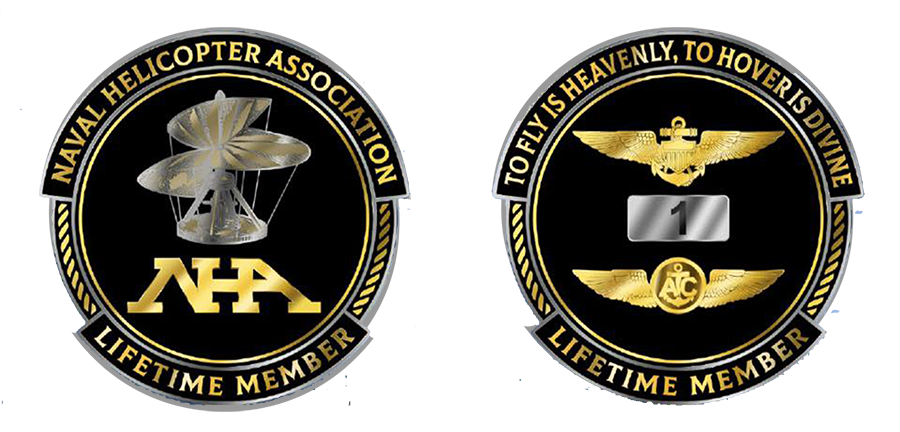
Join the NHA Community: Whether you're an active-duty service member, a veteran, or an aviation enthusiast, NHA is your gateway to staying connected, informed, and inspired within the world of naval rotary aviation. NHA Membership Options:Enlisted / Retired Enlisted FRAC Nugget (2 Year) Member: $20.00 Enlisted 1 Year Member: $20.00 Enlisted 3 Year Member: $50.00 Enlisted 5 Year Member: $80.00 Enlisted FRAC Nugget Lifetime Member (LTM): $150.00 Enlisted Lifetime Member (LTM): $250.00 Enlisted Lifetime Member (LTM) over 65: Contact NHA Office Officer / Retired (Civilian included) Officer HT Nugget (2 Year) Member: $40.00 Officer 1 Year Member: $40.00 Officer 3 Year Member: $110.00 Officer 5 Year Member: $175.00 Officer HT Nugget Lifetime Member (LTM): $350.00 Officer Lifetime Member (LTM): $500.00 Officer Lifetime Member (LTM) over 65: Contact NHA Office
CLICK HERE TO JOIN |
Our Sponsors
The Spring 2025 issue of Rotor Review is LIVE!

OPTEMPO at the squadron level.